
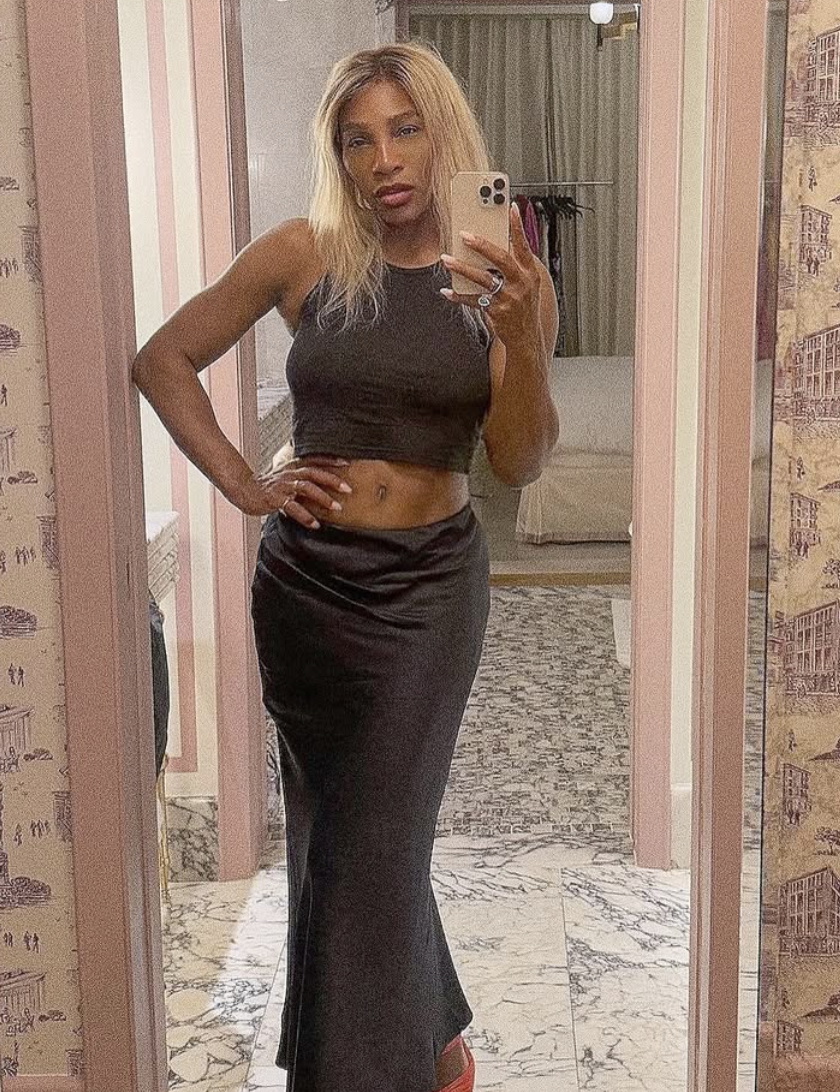
Few athletes are as celebrated as Serena Williams, a 23-time Grand Slam champion and global icon.
Why are fans upset?
But in 2025, Williams made headlines for a different reason: she revealed that she used Ozempic during her postpartum weight-loss journey.
Her candid admission has sparked a firestorm of debate among doctors, fans, and cultural commentators.
Serena’s Postpartum Journey
After giving birth to her second child in 2023, Williams admitted she struggled with recovery, body image, and energy.
Returning to public life under intense scrutiny made the process harder.
In an interview, she explained: “I looked at it as a sport. As an opponent,” she said of her weight. “I can’t beat this opponent no matter what I did. I have to try something different…eventually I saw my friends using it, saw a lot of people on it. I tried it and it actually worked.”
Her honesty resonated with some fans but also raised concerns: if even Serena—arguably the greatest athlete of all time—needed pharmaceutical support, what does that mean for ordinary women?
How Ozempic Works
Ozempic (semaglutide) mimics a hormone that suppresses appetite and regulates blood sugar.
Originally developed for diabetes, it’s now prescribed for weight management.
While effective, it comes with side effects: nausea, fatigue, GI discomfort, and potential rebound weight gain when discontinued.
Expert Debate
Doctors are divided on Williams’ admission.
Supporters argue:
- It’s empowering for a public figure to be transparent.
- Postpartum recovery is uniquely challenging, and tools like Ozempic can help.
- With proper medical supervision, it can be safe.
Critics argue:
- It risks normalizing drug use for weight loss among women who don’t medically need it.
- It perpetuates celebrity body pressure, implying even Serena must conform.
- The high cost makes it inaccessible to most women, deepening inequality.
Cultural Implications
Williams’ story taps into broader issues:
- Body image after pregnancy: Society often expects women to “bounce back,” an unfair standard intensified by celebrity culture.
- Pharmaceutical wellness: More stars are relying on injections, raising questions about authenticity.
- Representation: As a Black woman, Williams’ openness may resonate with communities often overlooked in wellness conversations.
Fan Reactions
Social media exploded with mixed emotions.
Supporters applauded her honesty: “If Serena says it helped, then I respect that.”
Critics expressed disappointment: “I wanted to see her model natural strength without shortcuts.”
The polarized reaction reveals how emotionally charged weight, body image, and celebrity influence remain in 2025.
Serena Williams’ Workout Habits
Fans can’t deny Serena Williams athletic ability.
We’ve all seen her performance year after year on the tennis court.
The Nike face has continued to work off the court.
Check out the weight loss workout of Serena this year in 2025.
Reader Takeaways
- Postpartum recovery looks different for everyone—comparison is dangerous.
- Pharmaceutical tools are not shortcuts; they require medical oversight.
- Focus on self-compassion instead of celebrity timelines for weight loss.
Serena Williams’ Ozempic – Bottom Line
Serena Williams’ Ozempic admission highlights a pivotal cultural moment: the tension between empowerment and pressure, transparency and influence.
While her honesty may reduce stigma, it also sparks critical debate about what wellness really means in 2025.


